



In today’s evolving workplace, professionals will change jobs multiple times over the course of their careers. Yet, leaving a job is rarely straightforward. Cultural expectations, close-knit professional networks, and a deep sense of loyalty often make the decision both emotionally and professionally complex. Still, there are moments when moving on is the right step for your growth, well-being, and long-term career progression. The key lies not just in when to leave, but how to do so in a way that protects your reputation and preserves valuable relationships.
Knowing When It’s Time to Move On
Quitting a job should never be impulsive. In a relatively small professional community like Ghana’s, reputations travel fast. It is important to first determine whether your concerns are temporary or structural.
A lack of growth is one of the clearest signals. If you have spent years in the same role without new responsibilities, learning opportunities, or advancement, it may be time to reconsider your position. Take Ama, for example, who spent five years as a customer service officer in a telecommunications company. Despite strong performance, her role remained stagnant. When she received an offer that included leadership development and supervisory responsibilities, her decision to leave became a strategic move rather than an emotional one.
Workplace culture is another critical factor. Toxic leadership, persistent conflict, or unethical practices can erode both mental well-being and professional integrity. Kwame faced such a dilemma when he was repeatedly asked to manipulate operational data to meet targets. Choosing integrity over convenience, he opted to pursue opportunities elsewhere.
Compensation also matters. While salary is not everything, being consistently underpaid—especially in the face of rising living costs—can limit both financial stability and motivation. Similarly, evolving personal priorities such as family needs, relocation, or further education may justify a transition. Sometimes, the reason is simple: a better opportunity. A role that offers stronger leadership, a healthier culture, or greater responsibility can be the “pull factor” that signals it is time to move on.
Whatever the reason, the decision must be strategic. It should align with your long-term career goals, suit your personal circumstances, and strengthen your professional profile. Before making a final decision, consider whether your concerns can be addressed internally. A candid discussion with your manager may open doors to new opportunities. HR may help resolve workplace challenges, and a departmental transfer could reignite your engagement.
Do not resign in the heat of the moment. Temporary frustrations, such as a disagreement with a colleague or manager, rarely justify a long-term decision. Remember, no workplace is perfect, and similar personalities and challenges may exist in your next role.
Preparing to Exit Strategically
Once you have made the decision to leave, discretion and preparation are essential.
Avoid announcing your intentions prematurely. In some cases, such information may be misinterpreted or mishandled, potentially affecting your opportunities, responsibilities, or timeline. Instead, focus on positioning yourself for a strong and dignified exit. This includes:
- Maintaining punctuality and professionalism
- Delivering high-quality work consistently
- Repairing strained relationships where possible
- Organising your files and responsibilities
- Preparing detailed handover notes
You want to be remembered for excellence, what psychologists refer to as the recency effect, where your most recent actions leave the strongest impression.
Equally important is understanding your organisation’s exit policies. Be clear on notice periods, contractual obligations, and any restrictive clauses that may affect your transition. Prepare yourself for different scenarios, including the possibility of being asked to step away earlier than expected (Garden Leave).
Exiting Professionally
How you leave matters just as much as why you leave.
Follow formal procedures by submitting a written resignation and observing your contractual notice period, typically one to three months in many Ghanaian organisations. Abrupt exits can damage your credibility.
Your immediate manager should hear the news from you first, in a respectful and professional conversation. Where necessary, especially if you anticipate challenges, you may seek guidance from HR before formally communicating your decision. Be honest, but diplomatic. You are not obligated to share every detail, but avoid dishonesty. A simple explanation focused on career growth or new opportunities is both sufficient and professional. Ensure a smooth transition. Support your team by completing key tasks, documenting processes, and, where possible, assisting in training a replacement. This reflects leadership and leaves a lasting positive impression.
Express genuine gratitude to colleagues and managers for the opportunities and experiences gained. Even where there were challenges, your exit is not the time to revisit grievances; it is a time to close that chapter with maturity.
Finish strong. Maintain your performance and commitment until your final day. After your exit, stay connected through professional networks and maintain a respectful narrative about your former organisation.
What Not to Do
A poorly managed exit can undo years of goodwill. Avoid the following:
- Badmouthing your employer or colleagues
- Secretly recruiting coworkers to leave with you
- Taking company property or confidential information
- Leaving without proper notice
- Burning bridges through emotional or confrontational behavior
- Do not resign when you do not have another job you have accepted, or you have not saved up to six months of your salary.
Your professional reputation is one of your most valuable assets; protect it.
Leaving a job is not a failure; it is often a necessary step in career growth. The goal is not simply to move on, but to do so with purpose and professionalism.
A well-managed exit reflects maturity, integrity, and foresight. It ensures that you leave behind respect, preserve important relationships, and keep doors open for future opportunities(it’s a small world). Because in the end, how you leave is just as important as how you begin.
Post a comment
Related Posts

July 24, 2026
Contentment at Work: A Career Advantage, Not a Sign of Complacency
Why cultivating the right attitude at work could be the key to long-term career success…

May 14, 2026
Starting 2026 Strong: How to Plan, Reposition, and Win in the New Year
Every new year arrives with hope—but success belongs to those who prepare intentionally. For most…

May 13, 2026
Winning the Talent Game: Modern Recruitment & Selection Strategies for Ghanaian Companies
In today’s fast-paced VUCA business world, the ability to attract, select, and retain exceptional talent…
May 13, 2026
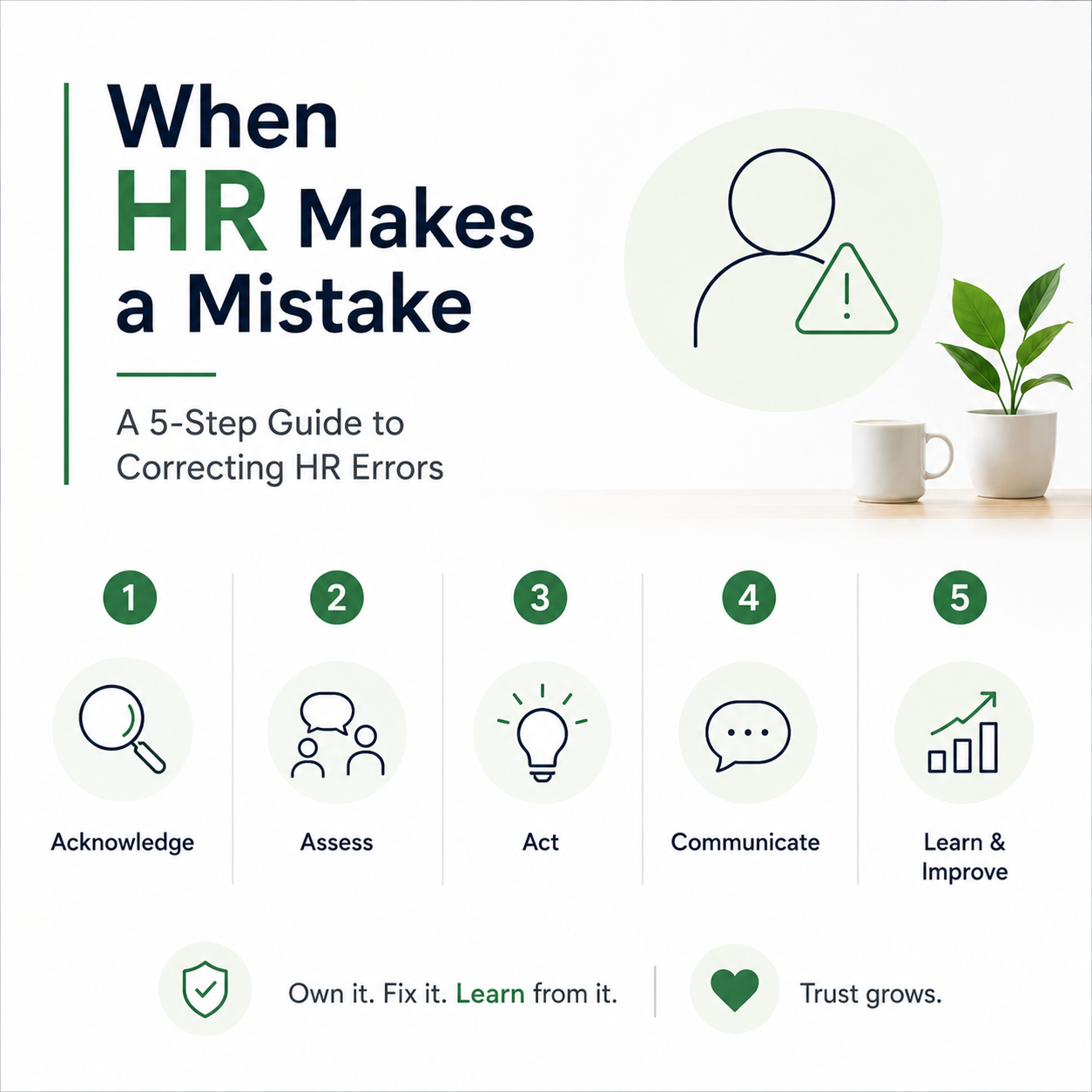
When HR Makes a Mistake: A 5-Step Guide to Correcting HR Errors
In my years of working with HR teams across Ghana, I have noticed something interesting.…