


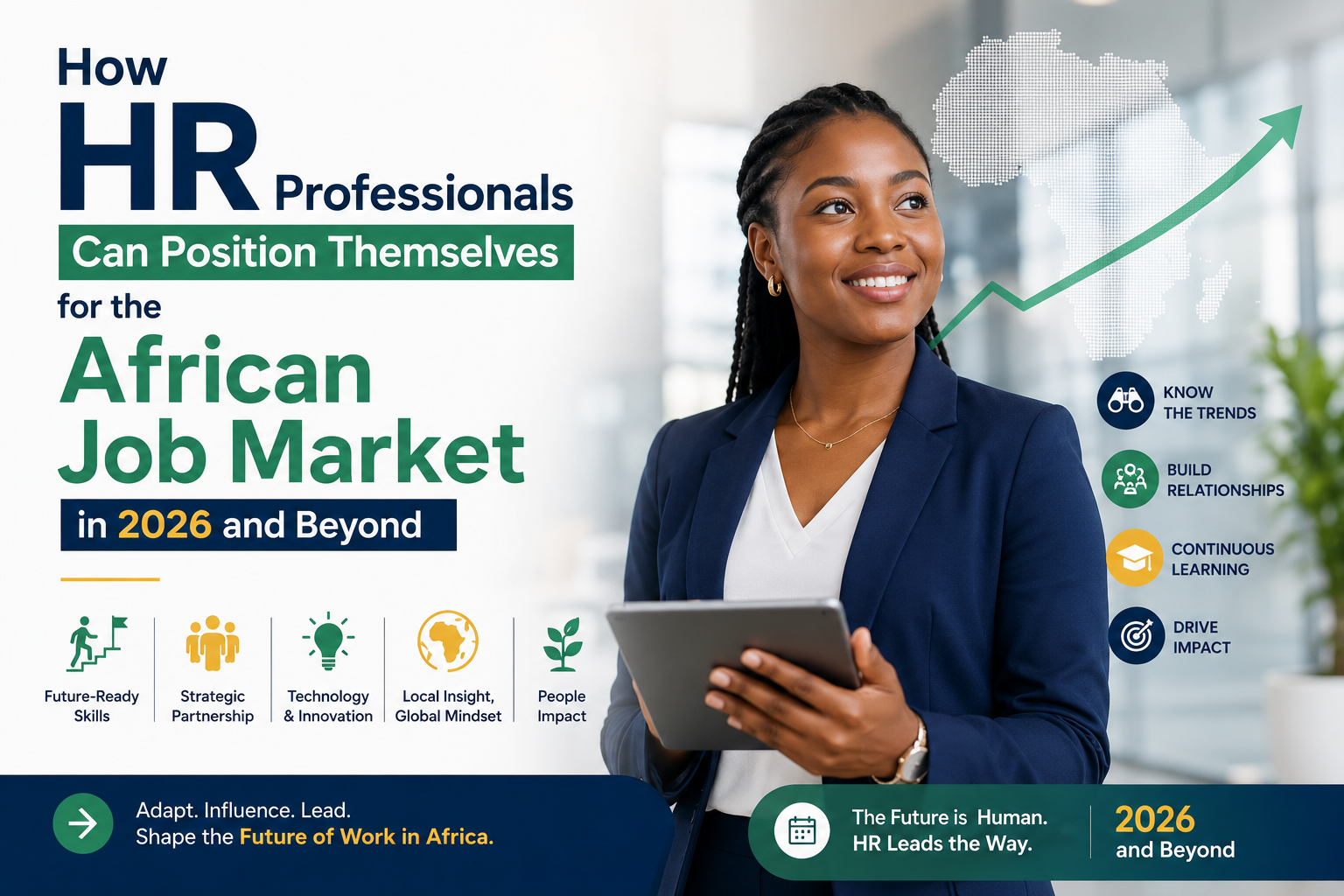
Africa is not a single market; it is a mosaic of cultures, languages, governments, economies, and business realities. For HR professionals who want to lead, influence, and shape organisations across this continent, a new mindset and a new set of competencies are required. Gone are the days when HR was confined to policies, payroll, and processes. Today’s African HR must be strategic, culturally fluent, data-literate, and future-ready. Here’s how you can position yourself for success in the African job market:
- Embrace Cultural Intelligence
Africa has over 2,000 languages and countless traditions. Understanding cultural nuance isn’t a “nice-to-have”, it’s essential for: Successful talent engagement, effective organisational communication, inclusive leadership, and conflict avoidance
Action Step: Learn another official language. You can do this by using tools like Duolingo or GoFluent. Even basic proficiency signals respect and builds trust. It will enable you to communicate effectively and reduce the tendency of embarassing yourself.
2. Understand Government and Governance Structures
A job in Kenya’s HR environment is not the same as one in Ghana or Nigeria. To work on this, the HR is advised to subscribe to government portals and legislative updates for the countries in which they want to operate.
3. Master the Business Environment (PESTLE)
4. Know Educational Systems and Workforce Pipelines
Africa has a diverse educational ecosystem: technical and vocational training, universities with differing accreditation standards, and skills gaps in STEM and digital fields.
Great HR leaders understand how education translates to workplace readiness. Practitioners must learn to partner with institutions, drive internship programmes, and help shape curricula.
5. Understand Leadership Styles Across Contexts
Leadership in Lagos may look different from leadership in Nairobi, Accra, or Addis Ababa.
Develop the ability to: coach across styles, lead across cultures, bridge generational differences, and navigate power distances. This makes you a peoplearchitect, not just a policy implementer.
6. Know Labour Laws — Country by Country
Labour compliance in Ghana differs significantly from that in South Africa or Senegal. You must understand statutory requirements, get familiar with collective bargaining norms, know union dynamics, and align HR practices with local law. Non-compliance is not just a fine, it erodes trust and reputation.
7. Join African HR Associations, Conferences & Seminars
Your network is your net worth. Be visible by joining African HR platforms and associations. Participate in local and regional HR conferences, webinars, and seminars. These platforms expose you to best practices, power players, and opportunities.
8. Understand Currencies, Inflation & Exchange Rates
Economic understanding drives smarter HR decisions, such as salary benchmarking across countries, compensation harmonization and Expatriate and localisation planning. Inflation and exchange volatility deeply affect talent attraction and retention. Use global HR analytics and dashboards to model pay and benefits regionally.
9. Become Data-Driven
HR professionals can no longer lead by intuition alone. Organisations want people analytics, predictive insights on attrition, workforce planning models and data visualization skills.
Invest in HR analytics skills and tools, and you become indispensable.
10. Adopt the Right Mindset
Your mindset determines your career trajectory. Shift from “I manage tasks” to “I shape people and organisational performance.” Africa is not just my country, it’s a whole continent with diverse work cultures.
Modern HR is not administrative; it’s strategic, future-focused, and transformative.
The African job market demands HR who are culturally fluent, economically aware, legally compliant, strategically minded, regionally mobile, networked, and visible
Africa’s HR leaders are not just supporting business, they are saving it. When you understand culture, context, law, economics, people, and data, you stop being an HR professional and become a catalyst for national and continental development.
#HRLeadership #AfricaJobs #PeopleStrategy #HRinAfrica #TalentManagement
Post a comment
Related Posts

July 24, 2026
Contentment at Work: A Career Advantage, Not a Sign of Complacency
Why cultivating the right attitude at work could be the key to long-term career success…

May 14, 2026
Starting 2026 Strong: How to Plan, Reposition, and Win in the New Year
Every new year arrives with hope—but success belongs to those who prepare intentionally. For most…

May 13, 2026
Winning the Talent Game: Modern Recruitment & Selection Strategies for Ghanaian Companies
In today’s fast-paced VUCA business world, the ability to attract, select, and retain exceptional talent…
May 13, 2026
When HR Makes a Mistake: A 5-Step Guide to Correcting HR Errors
In my years of working with HR teams across Ghana, I have noticed something interesting.…