



Why cultivating the right attitude at work could be the key to long-term career success
By Yvonne Ama Adiepena Wiredu-Akpabli
Walk into any office in Ghana and you are likely to hear conversations about salaries, promotions, workload, difficult supervisors, or better opportunities elsewhere. While these concerns are real, they often overshadow an important career principle that receives little attention—contentment.
Contentment is frequently misunderstood. Many people equate it with settling for less, lacking ambition, or accepting unfavourable working conditions. Nothing could be further from the truth. In the workplace, contentment is not about lowering your expectations; it is about maintaining a positive and productive attitude while intentionally working towards your career goals.
The most fulfilled professionals are not necessarily those who earn the highest salaries or occupy the most prestigious positions. More often, they are individuals who choose to make the best of every opportunity, remain committed to personal growth, and refuse to let temporary challenges define their careers.
Why Contentment Matters
The Ghanaian labour market is becoming increasingly competitive. Organizations are looking beyond technical competence to identify employees who demonstrate resilience, emotional maturity, professionalism, and the ability to work effectively with others.
Employees who cultivate contentment tend to remain focused during difficult periods. They adapt better to change, maintain positive relationships, and continue delivering results even when circumstances are less than ideal. These qualities are often what distinguish future leaders from average performers.
Contentment also contributes significantly to job satisfaction. It reduces unnecessary stress, minimizes workplace conflict, and helps employees appreciate the opportunities available to them while preparing for greater responsibilities.
Perhaps more importantly, contentment allows individuals to focus their energy on what they can influence rather than becoming consumed by what they cannot control.
Developing an Attitude of Contentment
Contentment is not a personality trait; it is a mindset that can be developed intentionally.
Find purpose in your work. Every role contributes to the success of an organization. Whether you are serving customers, managing finances, maintaining equipment, or providing administrative support, your work matters. Employees who understand the purpose behind their responsibilities are more likely to remain motivated even during challenging times. This purpose must not just be that of the company but how it fits into your own career plans.
Practice gratitude without losing ambition. Appreciating your current job does not mean you should stop aspiring for better opportunities. Instead, gratitude helps you recognize the value of your current experiences while preparing for the next stage of your career. One of the things I do is to thank God every working morning for my job and company. I also thank Him for my bosses, team members, and colleagues, even the difficult ones. When the good happens, I thank Him and do the same for the bad. I also show appreciation for my team and my bosses.
Invest in continuous learning. One of the best ways to remain fulfilled at work is to keep growing. Attend training programmes, especially the ones in your office, with a mindset to learn. Pursue professional certifications, learn new technologies, volunteer for projects, read books, and seek feedback. Employees who consistently improve themselves are more likely to attract opportunities than those who simply wait for promotions.
Take ownership of your attitude. Economic conditions, organizational restructuring, or leadership changes may be beyond your control, but your professionalism, punctuality, work ethic, and willingness to collaborate are entirely within your control. Career success often depends more on attitude than circumstances. Be very selfish about your career growth; do not look to external sources for help, look within. Control what you can and leave the rest to posterity.
Celebrate the success of others. In many workplaces, comparison is one of the greatest sources of dissatisfaction. A colleague’s promotion or achievement should not diminish your own journey. Instead, learn from their success and remain focused on your personal development. Genuinely celebrate people. When you sense jealousy, remind yourself of your purpose and growth, and shake it off.
Build healthy relationships. Careers flourish through collaboration. Respecting colleagues at every level, communicating professionally, and supporting others not only creates a positive work environment but also strengthens your professional reputation. Identify relationships that held you grow and work, and harness them; avoid those that do not, and note that it is in the undesirable places that we grow.
The Hidden Cost of Discontentment
Discontentment rarely begins with major problems. It often develops through small attitudes that gradually affect performance and relationships.
One common trap is constant comparison. Measuring your progress against colleagues’ salaries, titles, or lifestyles can quickly erode motivation. Every career path is different, and success rarely follows the same timeline.
Another is persistent complaining. While constructive feedback helps organizations improve, habitual complaining without proposing solutions creates negativity and reduces credibility. Employees known for solving problems are usually more valued than those who only highlight them.
Office gossip is another significant source of workplace dissatisfaction. It damages trust, weakens teamwork, and creates unnecessary conflict. Professionals who focus on facts rather than rumours earn greater respect and credibility.
An entitlement mindset can also limit career growth. Promotions and opportunities are earned through competence, contribution, adaptability, and leadership, not simply years of service. Employees who continually ask, “What more value can I add?” are often the ones who progress.
Similarly, resisting change can become a career obstacle. Today’s workplace is evolving rapidly through technology, automation, and changing customer expectations. Employees who embrace learning and adapt to new ways of working remain relevant and competitive.
Finally, making money the sole reason for working can lead to frustration. Financial reward is important, but lasting career satisfaction also comes from learning, meaningful relationships, personal growth, and the opportunity to make a positive impact.
A Shared Responsibility
While employees must cultivate contentment, employers also have a responsibility to create environments where people can thrive. Fair remuneration, transparent communication, recognition, opportunities for development, and respectful leadership all contribute to employee satisfaction and engagement.
Organizations that prioritize employee well-being often experience higher productivity, stronger retention, and better organizational performance.
Final Thoughts
Every career has seasons. There will be moments of rapid progress and periods that test your patience. The difference between those who succeed and those who become discouraged often lies in their mindset.
Contentment is not about accepting mediocrity or abandoning ambition. It is about choosing excellence regardless of your current circumstances, remaining grateful while striving for improvement, and recognizing that today’s responsibilities are preparing you for tomorrow’s opportunities.
Your current job may not be your final destination, but it can become the platform from which your greatest achievements emerge. Build your reputation through integrity, professionalism, continuous learning, and a positive attitude. In the long run, these qualities will open more doors than complaints, comparison, or dissatisfaction ever will. After all, careers are not built only by the opportunities we receive; they are shaped by the attitude we bring to every opportunity.
Post a comment
Related Posts
July 24, 2026
Contentment at Work: A Career Advantage, Not a Sign of Complacency
Why cultivating the right attitude at work could be the key to long-term career success…

May 14, 2026
Starting 2026 Strong: How to Plan, Reposition, and Win in the New Year
Every new year arrives with hope—but success belongs to those who prepare intentionally. For most…

May 13, 2026
Winning the Talent Game: Modern Recruitment & Selection Strategies for Ghanaian Companies
In today’s fast-paced VUCA business world, the ability to attract, select, and retain exceptional talent…
May 13, 2026
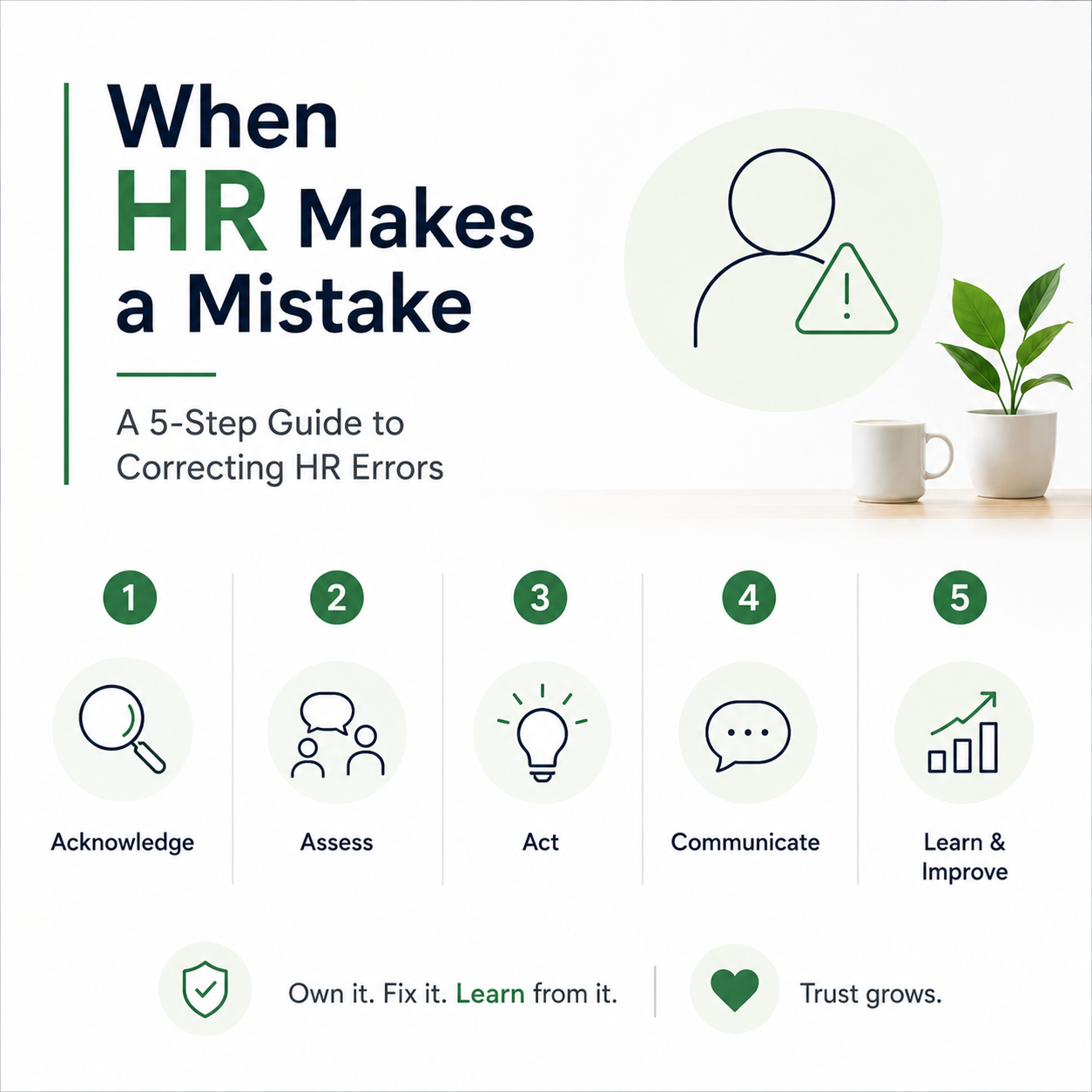
When HR Makes a Mistake: A 5-Step Guide to Correcting HR Errors
In my years of working with HR teams across Ghana, I have noticed something interesting.…